Fall is a short season at the nursery as we will be closing for the winter this year on November 9. While we look forward to the break, there is a lot of work to do in preparation.
The most important thing is to make sure you have everything you need—dormant sprays, fertilizers, chemicals and other dry goods—to see you through until we reopen next year.
Here are a couple of seasonal reminders from our Fall Gardening Calendar:
- Feed Early Spring Bloomers … such as Rhododendrons, Dogwoods, Forsythia and more with Master Bloom (0-10-10) for better flowers and fruit next year — read our Fall Fertilization article to find out why (and to find out about what other plants will benefit from feeding in the fall).
 Peach Leaf Curl … make your first application of Liqui-Cop Fungicide in November. Mark your January calendar for your second application, and March for your final. Peaches and Nectarines are your only fruit trees that get peach leaf curl.
- Mulch … before the first frosts come, to protect against cold damage. Try Black Forest Compost – a premium, organic, long-lasting blend of redwood and fir bark,
 fortified with nitrogen and iron — or Cocoa Hulls – smells like chocolate! Make sure to cover the root zone, but keep the mulch from touching the trunks of trees and shrubs.
Make sure to check out our Fall and Winter Gardening Calendars for all the details on how to ensure you are prepared for this winter in the garden.
As part of our preparation for winter, we’re having a sale! Check out the End-of-Season Sale post for all the details.
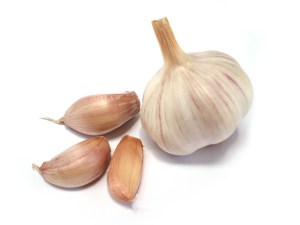 shipment of onion, garlic and shallot sets. Plant them now for harvest next year.
 Fall is a great time to plant! Why? Because our soils are still warm, encouraging new root development, and the cooler air temperatures make it much easier to water than in the hot summer months.


 Trinity’s summer heat can make watering and weeding a seemingly never-ending job. But there is something you can do to lessen the strain on your garden plants.
 Bedding plants for late summer and fall have started to arrive: color, veggies and perennials!
 How is your perennial garden? Are you looking to add to it? We have also received a nice selection of perennials. They are cold-hardy, so will survive our winters just fine. Plant them this fall for bigger, bloomier plants next season.

 Trinity Nursery & Gift Shop